


Barrier Matting
Barrier matting is designed to stop dust, grit, dirt, and debris at the entrance before they spread through a building. In commercial environments, where dry outdoor contaminants are often a daily challenge, effective barrier matting helps protect internal floors, reduce cleaning demands, and support safer, cleaner entrances.
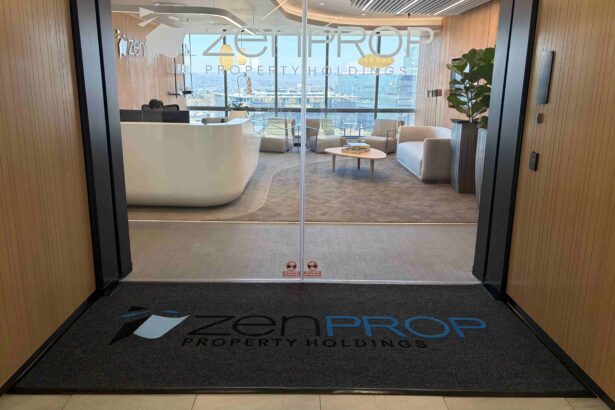
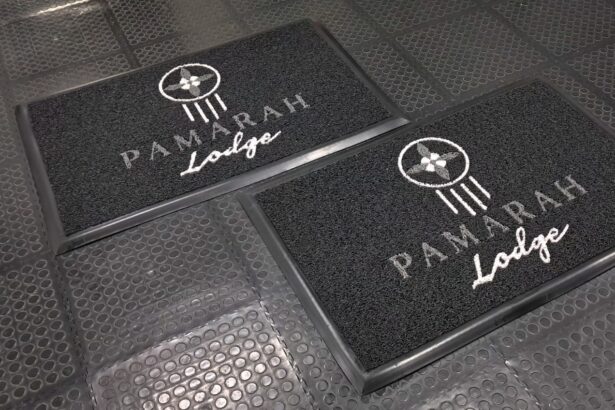
COBA Flooring supplies commercial barrier matting for offices, shopping centres, schools, healthcare facilities, hospitality venues, and public buildings. Our range includes scraper mats, walk-off mats, and absorbent entrance surfaces designed to reduce dirt transfer in busy entrance areas.
For complete entrance protection, barrier matting can be combined with exterior entrance matting and internal carpet entrance matting as part of a wider entrance matting system.

Commercial Barrier Matting Products


Barrier Matting and Entrance Zoning
Barrier matting works most effectively when used as part of an entrance zoning system. External zones remove heavy dirt and debris from footwear, while internal zones absorb moisture and capture finer particles. By combining different types of entrance matting, buildings can significantly reduce cleaning costs, improve safety and protect interior flooring from long-term wear.
Why Barrier Matting Matters in South African Buildings
Barrier matting plays an important role in keeping commercial buildings cleaner and easier to maintain. At busy entrances, dust, grit and debris can quickly spread from external areas into reception spaces, corridors and internal flooring zones.
Correctly specified barrier matting helps reduce this transfer by scraping, wiping and trapping contaminants at the entrance. This supports cleaner floors, lower cleaning demands and improved long-term protection for surrounding floor finishes.
Controls Dust and Grit
Barrier matting helps remove dry contaminants from footwear before they are walked further into the building.
Reduces Cleaning Pressure
By trapping dirt at the entrance, barrier matting helps reduce the amount of dust and debris that cleaning teams need to manage throughout the building.
Protects Internal Flooring
Dirt, grit and debris can cause premature wear on tiles, vinyl, carpets and other floor finishes. Barrier matting helps reduce this damage by controlling contaminants at the point of entry.
Supports Safer Entrances
By reducing dirt, debris and moisture transfer, barrier matting helps support cleaner and safer walking surfaces in busy commercial environments.
Ready to discuss your next Project?
 011 452 7961
 sales@cobaafrica.com
 Chat to us now


Latest Projects



Barrier Matting FAQs
What is barrier matting?
Barrier matting is entrance matting designed to remove and trap dust, dirt, grit and debris before these contaminants spread through a building. It is commonly used in commercial entrances to help protect internal floors and reduce cleaning demands.
Why is barrier matting important in South Africa?
South African buildings often deal with dry dust, grit and outdoor debris being walked into entrances throughout the day. Barrier matting helps control these contaminants at the doorway before they spread into reception areas, corridors and internal floor spaces.
Where should barrier matting be used?
Barrier matting is commonly used at entrances to offices, shopping centres, schools, healthcare facilities, hospitality venues and public buildings. It can be used at the first point of entry or as part of a wider entrance matting system.
What type of barrier matting is best for dust control?
Scraper mats, brush mats and walk-off surfaces are effective for controlling dust and grit. The best option depends on the amount of foot traffic, the entrance layout and whether the matting is used externally, internally or across multiple entrance zones.
Can barrier matting reduce cleaning costs?
Yes. By trapping dirt and debris at the entrance, barrier matting can reduce the amount of cleaning required across internal floors and help protect surrounding floor finishes from premature wear.
Is barrier matting suitable for high-traffic commercial entrances?
Yes. Commercial barrier matting is designed for busy entrances where regular pedestrian traffic brings dirt, dust and debris into the building. For very high-traffic entrances, a more robust scraper or multi-zone entrance matting system may be required.
Stay Up to Date
Get the latest floor safety articles, product updates and offers.